
Stonegraph / How it is made
Machine for the form. Hand for the soul.
Four stages, and a piece does not leave the yard until the last one is signed off. Nothing here is a production line — the same carver sees a piece from the block to the crate.
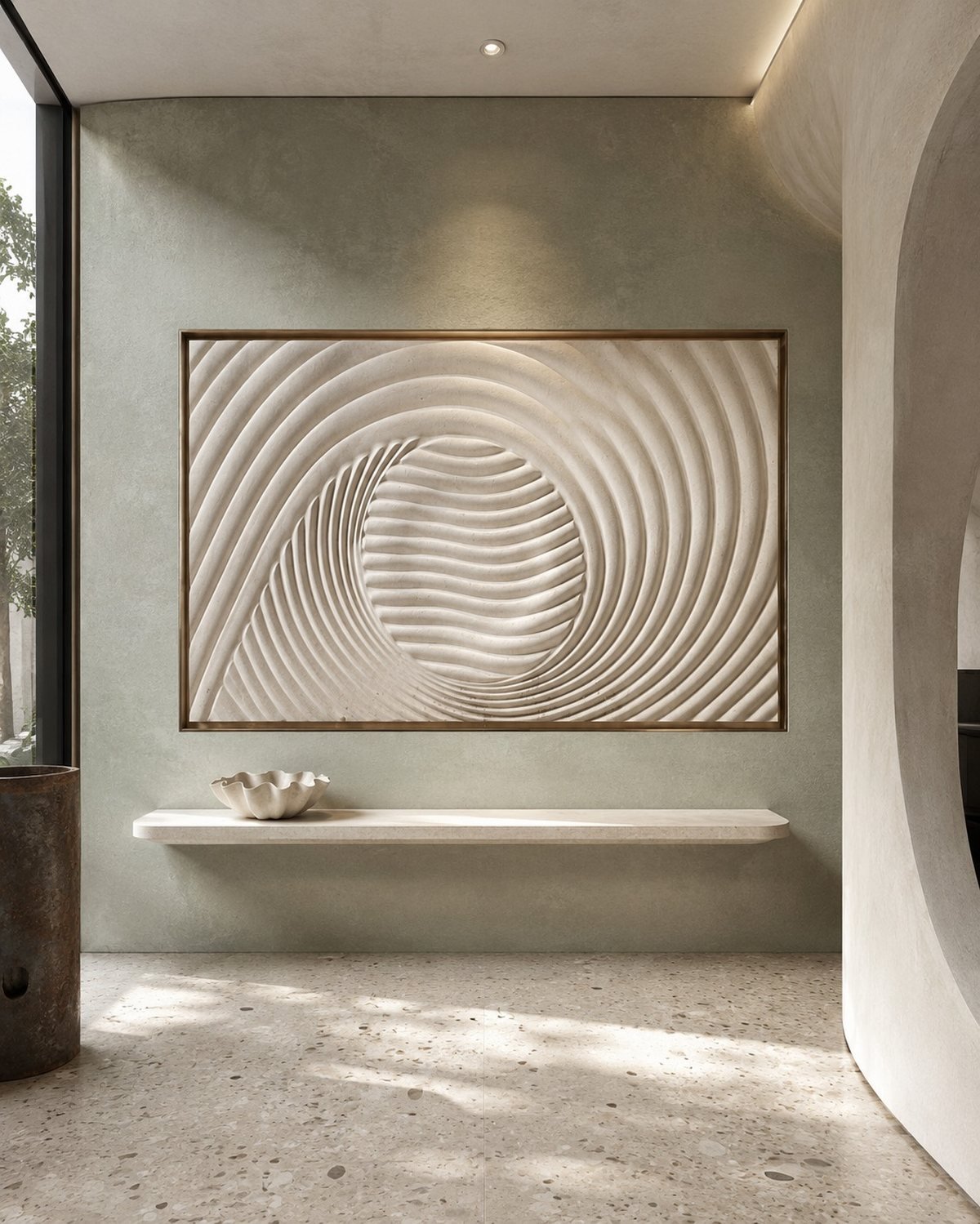
01 — Drawing
Reading the drawing
We take a CAD file, a hand sketch or a photograph, and return a stone-specific proposal: which quarry, which block, where the joints fall, what the piece weighs and how it will be lifted on site.
This is the stage that decides whether a drawing can be built at all. A detail that reads beautifully on paper can be impossible in a stone that will not hold an undercut, and it is cheaper to find that out now than after a block has been cut.
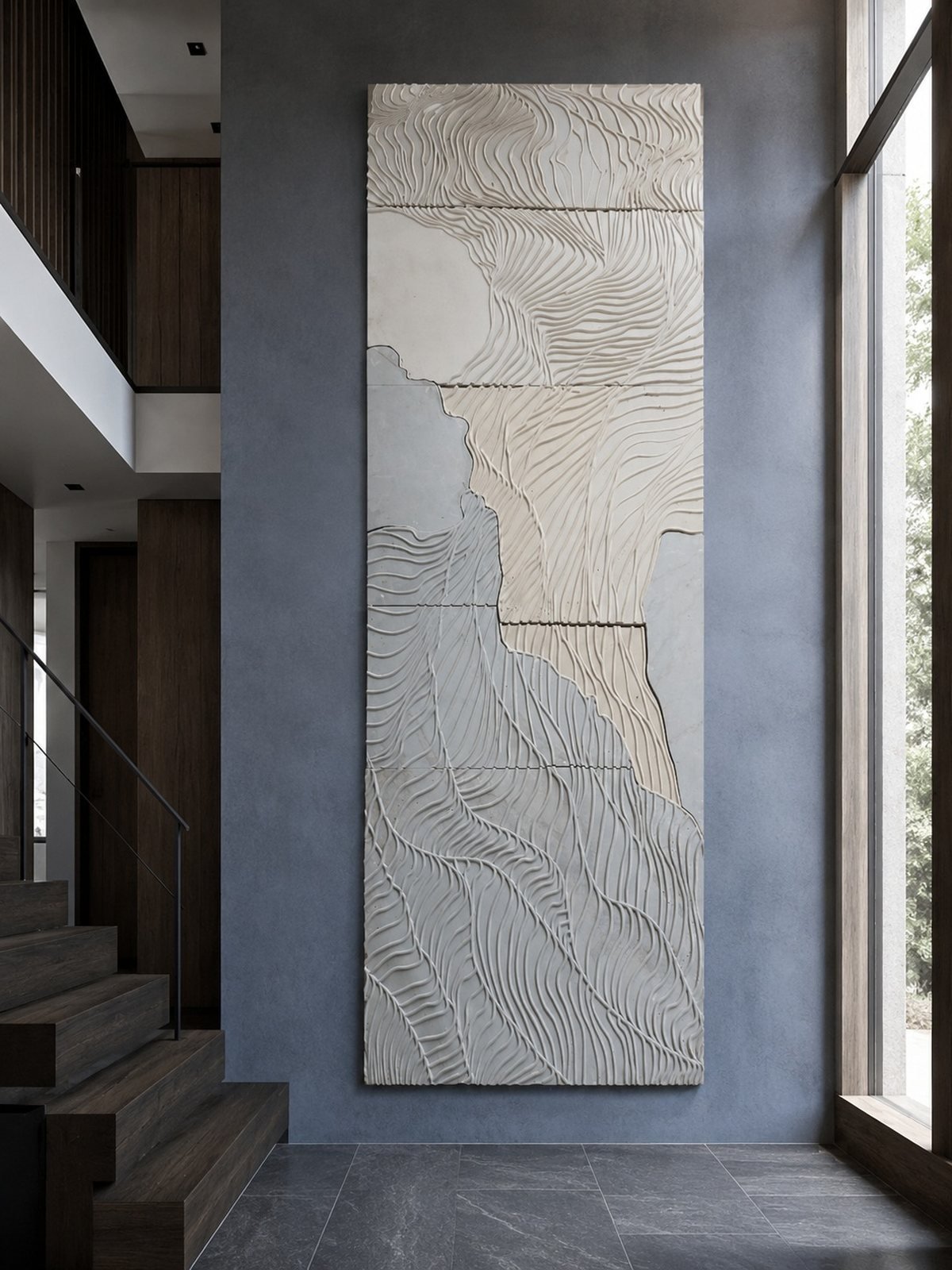
02 — Cutting
Advanced CNC carving
Toolpaths hold the architectural geometry: deep 3D reliefs, complex lattice, repeating textures and the multi-layer arch profiles that must match each other exactly across a whole facade.
This is what the machine is genuinely better at. A pattern that repeats two hundred times across a colonnade has to repeat exactly, and a hand cannot hold that tolerance for two hundred repetitions. So it does not have to.
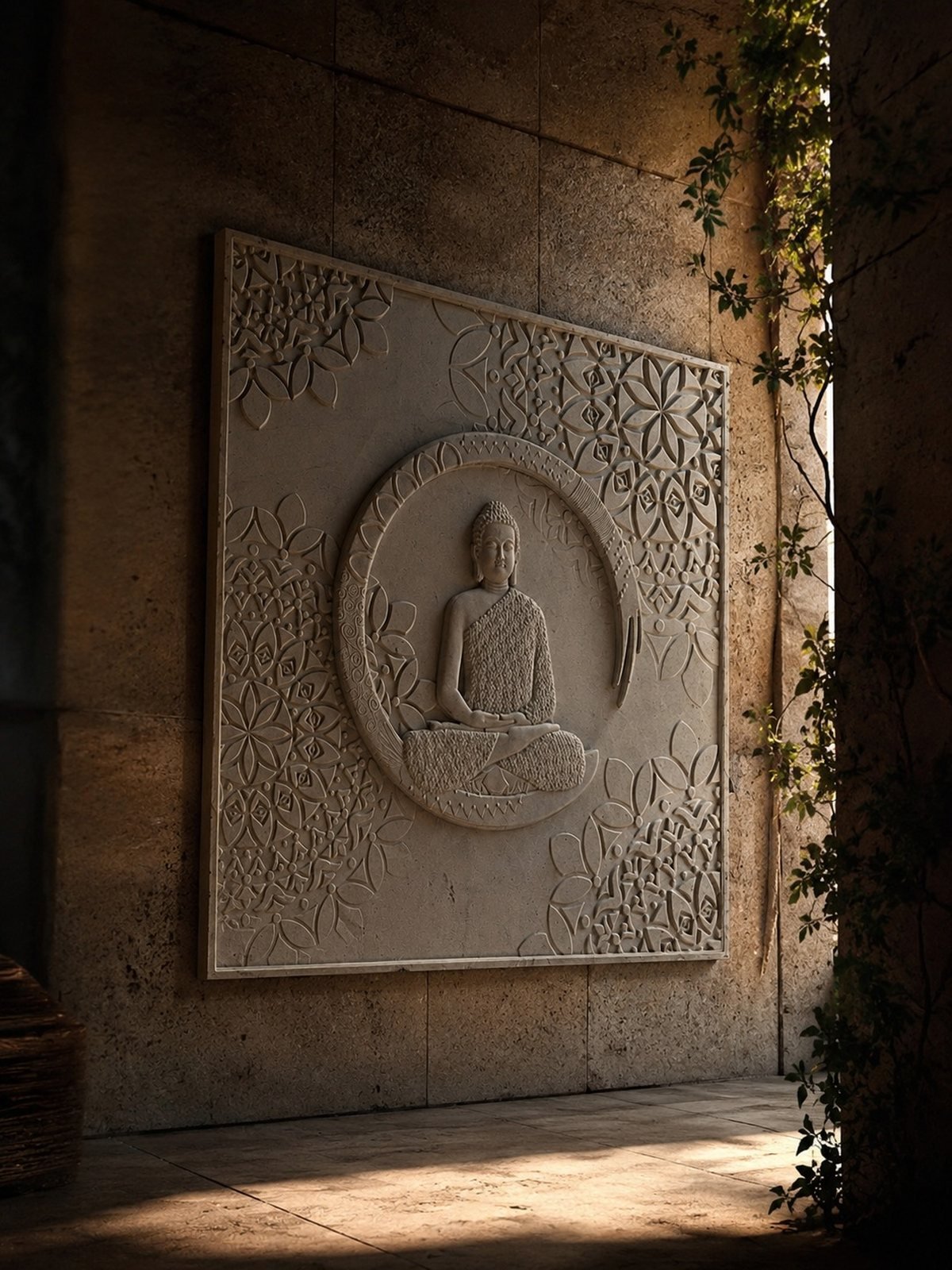
03 — Carving
Master hand-finishing
A hereditary carver takes the cut piece and does what tooling cannot — deepens undercuts, opens organic flows, raises texture, and works the surface until it holds light correctly.
This is the stage nobody can specify in a drawing, and the one that decides whether the finished piece looks carved or looks milled. Where the shadow falls is a judgement, and it is made by someone whose family has been making it in this stone for seven generations.
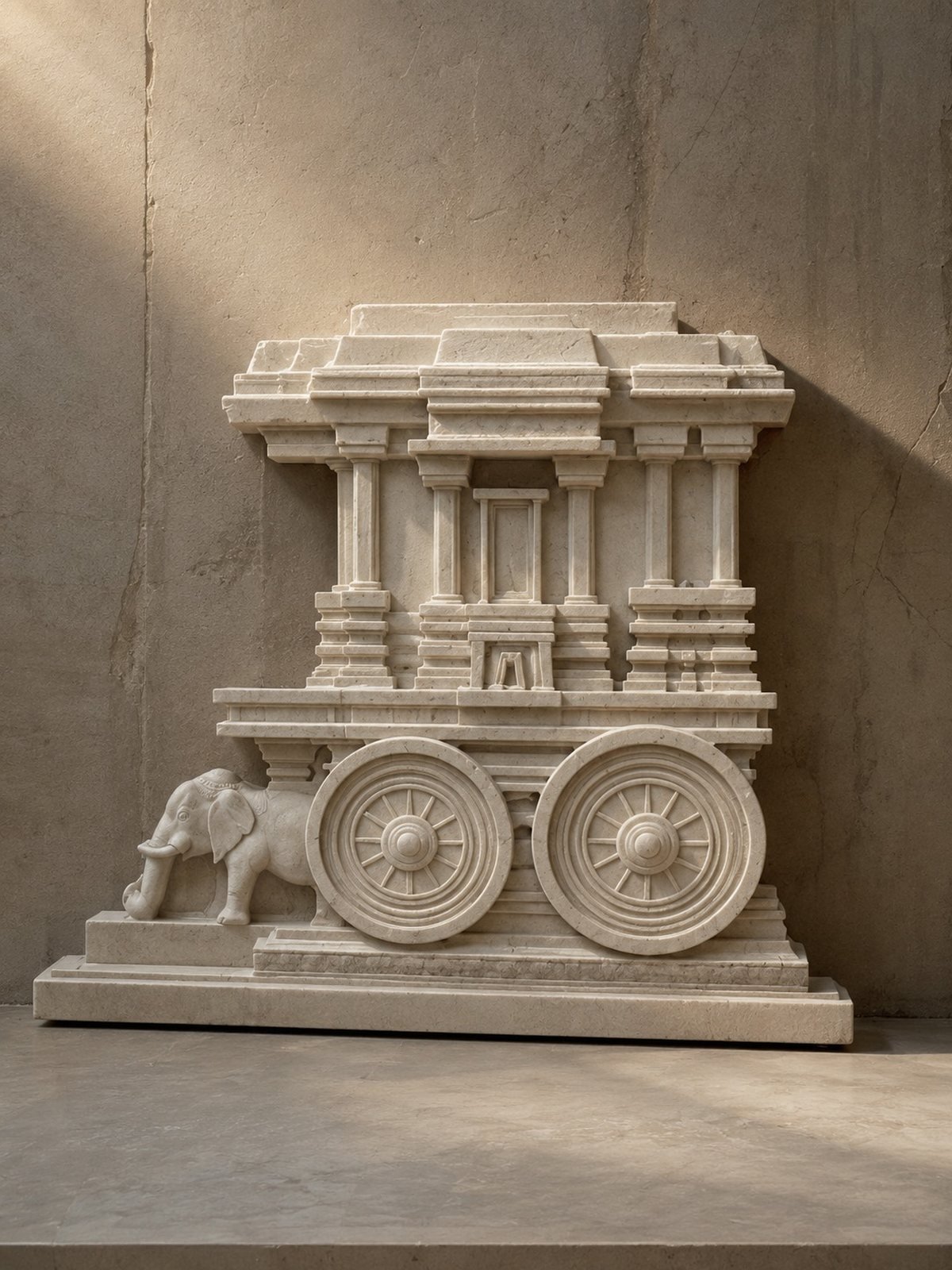
04 — Release
Check, pack, ship
Dry assembly in our yard, then photographic sign-off, then sea-worthy reinforced crating with numbered pieces so your installers can build it in the right order.
Nothing ships on trust. The piece is built once here, photographed built, and only then taken apart and packed — so the first time it goes together on your site is the second time it has gone together, not the first.
The rest of the story.
Seven generations, one workshop in Jaipur, and the firm that grew out of it — how the hands doing this work came to be doing it.
Stonework directory
Find the right stonework brief.
Material, method and application guides from the Jaipur workshop.