
Brand & heritage
Why hand-carved stone artistry remains the ultimate luxury in a digital age
In an era of mass production, the true essence of luxury is the human touch. Stone is a living canvas that carries the history of its maker — and in Jaipur, that history runs seven generations deep.
Published 20 August 2026 · Updated 2026-09-02
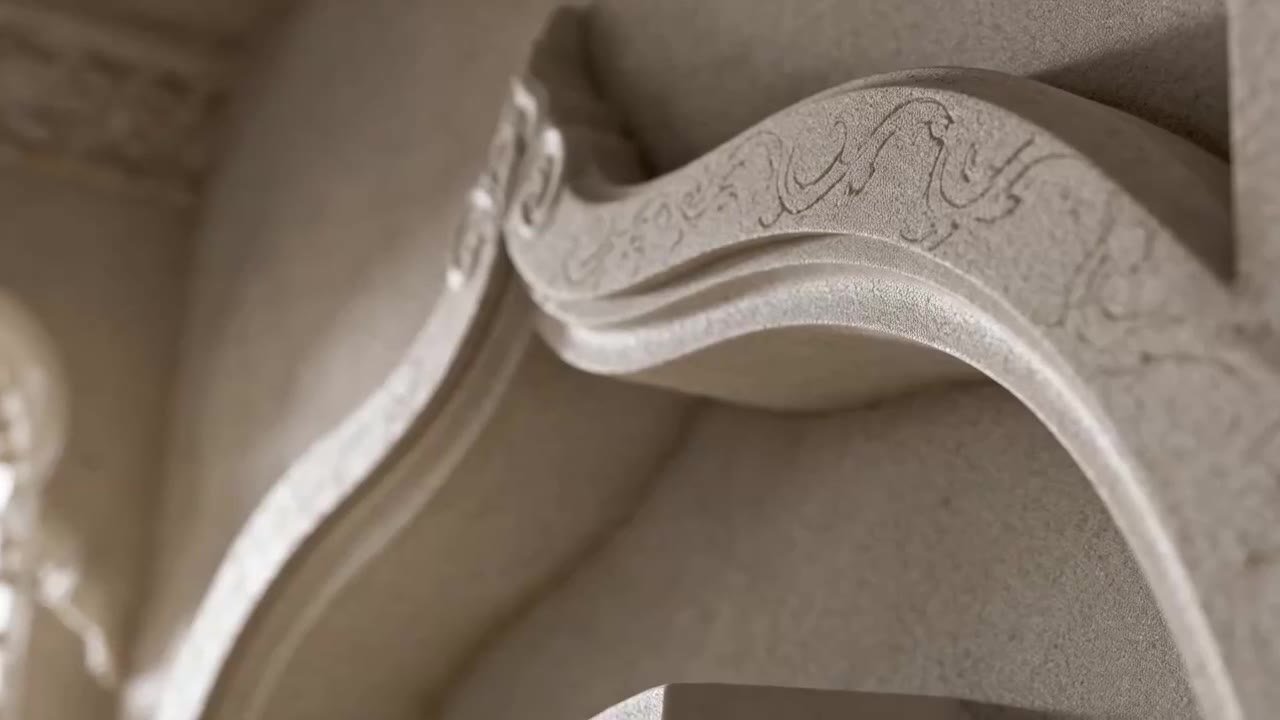
At Stonegraph we treat stone as a record of the decisions made by its carver. Based in Jaipur, the workshop continues a seventh-generation carving lineage in which tool control, relief depth and surface judgement are taught at the bench.
A legacy continued
The professional foundation of the present workshop was established in 1990 by Badri Prasad Kumawat through Kumawat Enterprises. Ravi Kumawat now leads Stonegraph, the export-focused studio created in 2018. The portfolio records carved stone supplied for hospitality, devotional and public projects, including work associated with The Oberoi properties, ISKCON Kharghar and Rajasthan landmarks.
What the hand contributes
Machining is useful for setting geometry, repeated profiles and the first controlled removal of material. Hand carving and finishing handle the transitions that determine how a relief reads: softened or crisp edges, undercuts, tool texture and the way light moves over the surface. Because those choices respond to the individual block and composition, two hand-finished pieces never read exactly like factory copies. Stonegraph uses both processes in sequence — digital control where repeatability matters, then experienced hands wherever the surface has to carry character.